
South Tenerife is one of the better places in Europe to holiday with limited mobility, and almost nobody writes about it properly. What you find online is either a booking agency asking you to request a quote, or a hotel page listing “accessible rooms” with the door width helpfully given as “TBA”.
So here is the version that answers the questions people actually ask. Will the hotel let me charge a scooter. Is there anywhere to store it. Will it fit in the lift. Can I hire one out here instead of dragging mine through an airport. And once I am off the plane, can I actually get around, onto a beach, and into the sea.
Contents
- What “accessible” actually means, and why you cannot trust the label
- The questions to ask before you book
- Hotels worth looking at, by resort
- Hiring a scooter or wheelchair out here
- The airport, and the assistance you must book in advance
- Getting around: pavements, buses and taxis
- Beaches, and getting into the sea
- Practical tips
- Frequently asked questions
What “accessible” actually means, and why you cannot trust the label
“Accessible” is not a regulated word in hotel marketing. It can mean a purpose-built room with a roll-in wet room and a hoist. It can also mean there is a lift and a grab rail by the loo. Those are very different holidays.
The gap that catches people out is almost always the scooter. A hotel can have a genuinely adapted bedroom and still have no idea where you are supposed to park a mobility scooter overnight, no plug it can be safely charged from, and a lift too small to take it. Hotels rarely publish any of this, because most of their guests never ask.
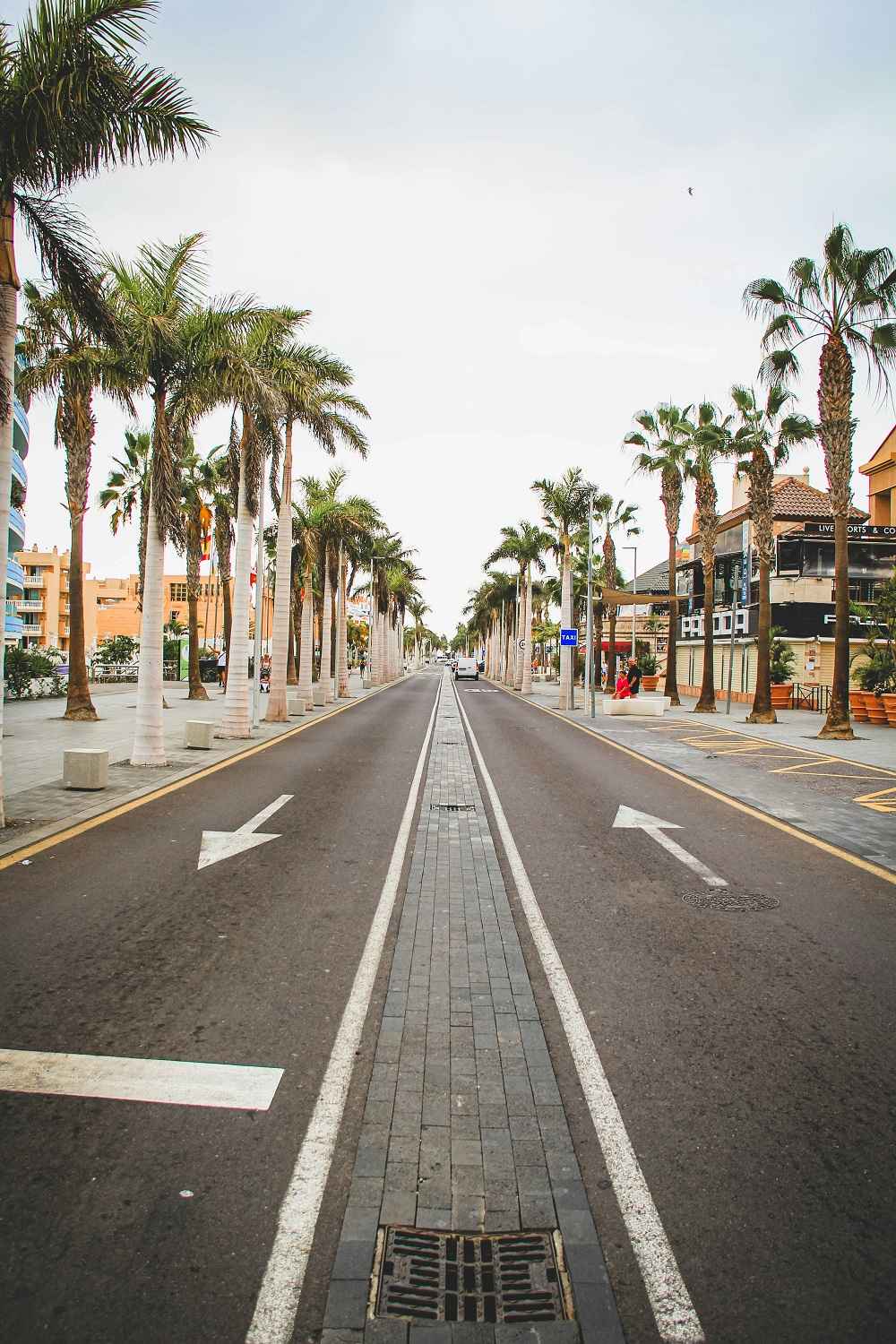
The good news is that the ground itself is in your favour. Arona, the municipality covering Los Cristianos, has won awards for its accessibility work, the seafront promenades are flat and well surfaced, dropped kerbs are common, and Costa Adeje’s hotels are mostly recent builds, so lifts and ramps tend to be decent by default. The infrastructure is better than most British resorts. It is the specifics inside each hotel that need checking.
The questions to ask before you book
Email the hotel directly rather than relying on the booking site, and ask these. A hotel that answers them clearly is a hotel that has thought about it. A vague answer is your warning.
- Can I charge a mobility scooter in the room, and is there a socket I can reach from where it would be parked?
- If not in the room, is there a dedicated storage and charging area, and is it locked?
- What are the internal dimensions of the lift, and will a standard four-wheel scooter fit inside it?
- What is the doorway width of the accessible room and its bathroom?
- Is the bathroom a roll-in wet room, or a bath or shower tray with a lip?
- Is there a pool hoist, and does it need booking?
- Is the route from the room to the restaurant, pool and reception step-free, or does it involve a ramp too steep to push?
- Is the hotel itself on a hill? This is the one people forget, and it matters more than anything inside the building.
That last point is worth dwelling on. A perfectly adapted hotel at the top of a steep hill is a difficult holiday. A slightly dated hotel on the flat next to the promenade can be a much better one.
Hotels worth looking at, by resort
Mar y Sol, Los Cristianos
The most genuinely accessible hotel on the island, and it is not close. Mar y Sol is purpose-built for wheelchair users rather than adapted as an afterthought: 127 accessible ensuite rooms, roll-in showers, pool hoists and ramped pool access, a pool kept heated, a physiotherapy and rehabilitation centre on site, an adapted diving centre, and a mobility equipment hire company (LeRo) based at the hotel itself. It even keeps European keys at reception for the accessible facilities.
The honest caveats matter as much as the facilities. It is old and, by several accounts, tired and in need of updating, so do not expect a modern resort hotel. And it sits on a hill above Los Cristianos. Going down to the town and the beach is easy. Coming back up is the problem, and it is the reason regulars recommend an electric wheelchair or scooter rather than a manual chair if you stay here. There are longer, gentler routes back, and accessible taxis into town.
For most people needing serious adapted facilities, it is still the first place to look. Just go in knowing what it is.
Costa Adeje
Costa Adeje’s advantage is that most of its hotels were built in the last two decades to modern standards, so lifts, ramps and wide corridors are the norm rather than the exception. The Costa Adeje Gran Hotel, the Iberostar Sabila, the Hard Rock Hotel and Baobab Suites all appear regularly on accessible holiday listings, and the area is flatter and newer than the older resorts. Our guide to the best hotels in Costa Adeje covers the wider picture, and the adults-only hotels guide is worth a look if you want somewhere quieter.
Be aware that “adapted room available” on a big resort hotel usually means exactly that, one or two rooms, which go early. Book well ahead and confirm the adapted room in writing, not just the hotel.
Los Cristianos and Playa de las Américas
These older resorts remain the hotspots for visitors with limited mobility, largely because the flat seafront promenade running between them is one of the best accessible walks anywhere in the Canaries. You can cover a long stretch of coast on a scooter without meeting a step. Some hotels here, such as the Santa María, hire mobility scooters directly to guests, so it is worth asking yours.
Being straight about it: the hotel stock here is older than Costa Adeje, so adapted rooms are patchier and the bathrooms are more likely to be a converted standard room than a purpose-built wet room. Ask the questions above and ask for photographs.
Hiring a scooter or wheelchair out here
For most people this beats bringing your own. Airlines lose and damage mobility equipment often enough that it is a real risk, batteries create paperwork, and the hire market in south Tenerife is competitive and good.
Several established firms deliver to your hotel or apartment across Los Cristianos, Playa de las Américas, Costa Adeje and out to Fañabe, El Duque and La Caleta. Active Mobility Tenerife is English-owned and long-established, based at the Apolo Centre in Los Cristianos, on +34 922 789 707, with free delivery and no deposit. Others delivering across the south include Jose Mobility on the Los Cristianos seafront, Star Mobility, Scootydoo, Tinerfe Mobility on Avenida de los Pueblos in Costa Adeje, and Premier Mobility, which also does electric wheelchairs, commodes, walking aids and bathroom equipment.
Prices move about, so treat these as a guide rather than a quote. A basic three-wheel scooter can start as low as €10 to €20 a day, four-wheel models from around €30, and the larger premium or double scooters run higher, with some firms quoting €40 to €50 a day. Weekly rates are usually better value than daily. Most of the reputable firms include insurance, require no deposit, deliver and collect free within the main resorts, and let you pay on delivery.
Two things to sort out when you book rather than on arrival. Tell them your hotel, because they deal with these hotels every week and will often know whether it has lift access and somewhere to charge, which is intelligence you cannot get anywhere else. And check the battery range against what you actually plan to do, since the promenade run from Los Cristianos to Las Américas and back is longer than it looks.
The airport, and the assistance you must book in advance
Tenerife South is well set up: step-free entrances, wide corridors, adapted toilets in all terminals, reserved parking near the entrances, and rest areas with space for wheelchairs.
The part people miss is that the assistance service, run by the Spanish airport operator Aena, has to be requested in advance. You book it through your airline, not the airport, and the standard advice is at least 48 hours before you fly. Do this in both directions. Turning up on the day and hoping is how people end up waiting a long time. Our Tenerife South airport guide covers the rest of the arrival process.
If you are bringing your own scooter or powered chair, tell the airline about the battery type well ahead. Lithium batteries in particular have rules, and airlines apply them strictly.
Getting around: pavements, buses and taxis
The seafront paseo is the backbone of the whole thing. It runs flat from Los Cristianos through Las Vistas and on towards Playa de las Américas, and it is smooth, wide and step-free. For a scooter user this is the difference between being stuck in a hotel and having a holiday.
Away from the promenade, pavements across the resorts are broadly good, with dropped kerbs and ramps, though the older back streets are patchier and some of the hills behind the coast are steeper than they look on a map.
Accessible taxis exist and are the simplest way to cover longer distances, but there are not many of them, so book ahead rather than expecting to flag one down. The TITSA bus network is largely low-floor and wheelchair accessible on the main routes, and it is cheap. Our guide to getting around south Tenerife without a car covers the buses in detail.
Los Cristianos port is fully adapted, with ramps, level paths, reserved parking and staff trained to help, which means the ferry is a realistic option. If you fancy a day out, our La Gomera day trip guide starts from that port. Request assistance when you book the ferry, not on the day.
Beaches, and getting into the sea
This is where south Tenerife genuinely excels, and it is the bit that surprises people.
Playa de las Vistas in Los Cristianos is one of the best-equipped accessible beaches in Spain. It has ramps with a gentle gradient, fixed wooden walkways running most of the way to the water, roll-out mats over the sand, a shaded rest area with sunbeds you can transfer onto, adapted showers and toilets, and a hydraulic transfer chair-lift.
More to the point, there is a free adapted bathing service. Trained staff will help you into an amphibious chair and into the sea, and it runs daily all year, roughly 10:00 to 17:00, extending to 18:00 from July to September. You book it on the day at the surveillance post in the accessible area, and groups can reserve in advance on 608 843 561. It costs nothing, though sunbeds and parasols are still charged. Anyone who has been told for years that the sea is off limits should know this exists.
Playa de los Cristianos next door has ramps, walkways and amphibious chairs too, with calm, shallow water. Over in Costa Adeje, Playa Fañabe, Playa del Duque, Playa de Torviscas and Playa de Troya all have accessible provision. Our guide to the best beaches in south Tenerife covers what each is actually like.
Practical tips
- Book the adapted room in writing and get it confirmed, not just the hotel. There are usually only a couple, and they go early.
- Request airport assistance through your airline at least 48 hours before each flight, outbound and return.
- Hire out here rather than flying your own scooter if you can. It sidesteps the battery paperwork and the risk of damage in the hold.
- Tell the hire firm which hotel you are in. They know the buildings and will often tell you about lift sizes and charging points before you arrive.
- Ask whether the hotel is on a hill. It is the single biggest factor in how a holiday goes, and it never appears in the accessibility blurb.
- Book accessible taxis ahead. There are not many, and they are not something you can rely on hailing.
- The Las Vistas bathing service is free and needs booking only on the day at the beach post, so do not let anyone sell you it as an excursion.
- Bring your European Health Insurance Card or its replacement, plus proper travel insurance that covers your condition and any equipment you bring.
Frequently asked questions
Can I charge a mobility scooter in a Tenerife hotel room?
Usually yes, but it varies and few hotels publish it, so ask before booking. Some hotels prefer scooters charged in a designated storage area rather than the bedroom, particularly newer resorts with fire safety policies. Ask the hotel directly, and ask the hire company too, as they deal with these hotels constantly.
Should I bring my own scooter or hire one?
Hiring is easier for most people. Airlines can damage equipment in the hold, batteries need declaring in advance, and hire firms in south Tenerife deliver to your hotel with no deposit and insurance included.
How much does mobility scooter hire cost?
Roughly €10 to €20 a day for a basic three-wheel model, from around €30 for a four-wheel, and up to €40 to €50 a day for larger or double scooters. Weekly rates are better value. Confirm the current price when you book.
Which is the most accessible hotel in south Tenerife?
Mar y Sol in Los Cristianos, which is purpose-built for wheelchair users with adapted rooms, pool hoists and on-site equipment hire. It is dated and sits on a hill, so read the caveats, but nothing else on the island matches its facilities.
Can I get into the sea in a wheelchair?
Yes. Playa de las Vistas in Los Cristianos runs a free adapted bathing service with amphibious chairs and trained staff, daily all year, roughly 10:00 to 17:00 and later in summer. Book on the day at the accessible area’s surveillance post.
Are the buses accessible?
The main TITSA routes are largely low-floor and wheelchair accessible, and they are cheap. Accessible taxis exist but are limited in number, so book ahead rather than relying on finding one.
Do I need to arrange airport assistance in advance?
Yes. Request it through your airline at least 48 hours before flying, in both directions. Tenerife South is well equipped, but the assistance service is not something to leave to chance on the day.
Prices, facilities, hire rates and hotel policies change, and accessibility provision varies more than any brochure admits. Always confirm the specifics directly with the hotel, the hire company and your airline before booking. This guide is general information, not a substitute for checking your own needs against a specific property.